Key Takeaways
- Warm white C9 bulbs and mini lights complement Delaware's brick and cedar-shake colonial homes by enhancing their natural earth tones.
- Cool white and blue lights are the go-to palette for coastal properties near the Delaware Bay and Rehoboth Beach area, mirroring the water and winter sky.
- Multicolor C9 strings deliver the visual impact that larger Victorian and craftsman facades need to read from the street.
- Red accents—whether C9 bulbs or mini light outlines—punch up traditional holiday drama on any roofline or entryway garland.
- Booking your color consultation and installation early (late summer or fall) locks in the best crew availability before Delaware's busy holiday season.
Every December, somewhere on a quiet street in Wilmington's Brandywine Hundred or along a tree-lined block in Dover's historic district, a homeowner strings up the wrong color lights—and the house looks a little off. The siding seems washed out. The roofline disappears into the night sky. The warm brick facade turns an unflattering yellow under bulbs that were simply never meant for it. Color choice is the most underrated decision in holiday lighting, and in Delaware, where architecture swings from 18th-century colonials to mid-century ranchers to new coastal cottages, getting it right matters more than most people realize. This guide will walk you through exactly which light colors work with which home styles across the First State—so your exterior looks intentional, polished, and genuinely beautiful from Thanksgiving through New Year's.
Why Architecture and Siding Material Drive Every Color Decision
Your home's exterior color palette and texture are the canvas—holiday lights are the paint, and clashing hues can undermine even the most carefully hung display. Delaware's residential stock is unusually diverse for a small state. Wilmington's older neighborhoods are packed with red-brick colonials and brownstone rowhouses. The beach towns south of the Canal—Lewes, Rehoboth, Bethany Beach—feature cedar-shake cottages and vinyl-clad coastal contemporaries. Milton and Milford still have intact blocks of Victorian-era homes with intricate trim work. Each style demands a different color strategy.
The Role of Undertones
Every siding material has dominant undertones—warm (red, orange, yellow) or cool (gray, blue, green). Warm white light (typically 2700K–3000K color temperature) amplifies warm undertones and makes brick and tan siding glow invitingly. Cool white light (5000K–6500K) complements gray, white, and blue-gray surfaces without competing. Matching your light temperature to your siding's undertone is the single fastest fix for a display that looks professionally designed. For a deeper dive into bulb specifications, our C9 bulb color guide for Delaware homes covers color temperature, lumen output, and LED vs. incandescent performance in detail.
Warm White: The Classic Choice for Colonial and Brick Homes
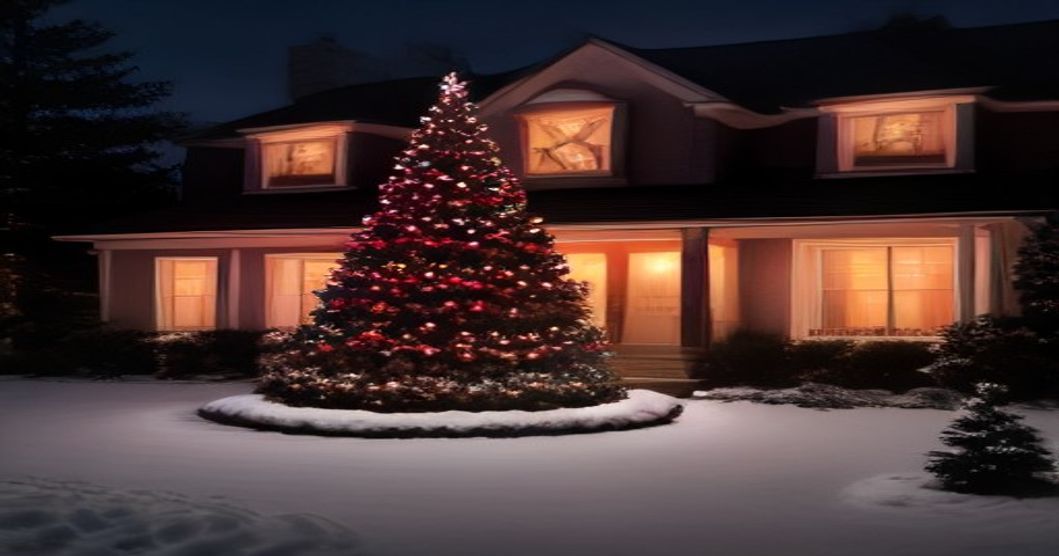
Warm white is the most universally flattering holiday light color for Delaware's most common residential styles—colonials, federals, and cape cods clad in red brick, tan stucco, or cedar shake. The soft amber-gold glow of warm white C9 bulbs along a roofline mimics candlelight and reinforces the timeless, welcoming character that brick colonials already project.
How to Use Warm White on a Colonial Exterior
- Roofline and gutters: A single run of warm white C9 bulbs spaced 12 inches apart on the roofline is the hallmark of a well-dressed colonial. C9s at that spacing produce enough output to read clearly from the street without overwhelming the facade.
- Window framing: Warm white mini lights outlining each window add depth and symmetry—critical for colonial architecture, which lives and dies by proportion.
- Entryway: Wrap porch columns and frame the front door with warm white mini lights; add a lit wreath with a red or gold bow for a traditional finishing touch.
- Trees and shrubs: Warm white mini lights in foundation plantings tie the ground level into the overall display. See our guide on tree wrapping with mini lights in Delaware yards for technique tips.
Cedar-shake siding—common in Henlopen Acres and parts of Rehoboth's older residential blocks—also pairs beautifully with warm white. The natural grain of cedar reads as warm and organic, and warm white light leans into that quality rather than fighting it.
Cool White and Blue: The Coastal Delaware Palette
Cool white and blue holiday lights are the natural choice for homes along Delaware's 28-mile coastline and the communities flanking the Delaware Bay, including Lewes, Cape Henlopen, and Slaughter Beach. These colors echo the silver-gray winter water, the pale winter sky, and the whitewashed or gray-vinyl siding that dominates coastal construction in the region.
Cool White Done Right
Cool white C9 bulbs (5000K and above) on a white or gray coastal cottage create a clean, almost luminescent effect—the house seems to glow from within rather than being decorated from without. On white vinyl siding, cool white mini lights along fascia boards and window frames disappear into the siding during the day and materialize dramatically at night. This restraint reads as sophisticated and intentional.
Incorporating Blue
Blue light is the secret weapon for coastal Delaware displays. A roofline run of alternating cool white and blue C9 bulbs evokes moonlight on open water. Blue mini lights woven into garlands draped over porch railings or framing a bayside deck add color without veering into garish territory. Solid blue C9 strings work especially well on the gable ends of a beach house, creating a focal point that reads from across a wide lot or from the street below a raised coastal foundation.
One practical note: blue LED C9s have come a long way in quality. Early LED blues had a purple cast that looked off next to true cool white. Today's commercial-grade blue LEDs match properly with cool white when purchased from the same product family—something our crews coordinate carefully on every installation. If your coastal property is also contending with salt air and humidity, our post on outdoor Christmas lights and Delaware coastal weather covers the weatherproofing and product selection strategies that keep displays performing through January.
Multicolor C9 Strings: Built for Victorian and Craftsman Facades
Multicolor holiday lights work best on homes with architectural complexity—multiple rooflines, decorative trim, deep porches, bay windows, and gable detailing. Victorian and craftsman-style homes, found throughout historic Dover, Middletown, and Smyrna, have all of these features, and multicolor C9 strings are the one palette that can keep pace with that visual richness.
Why Scale Matters
A multicolor display on a small ranch house looks chaotic; the same display on a 2,500-square-foot Victorian reads as festive and exuberant. The rule of thumb our installation teams use: if the home has more than three distinct rooflines or more than six window configurations visible from the street, multicolor C9s at a 12-inch spacing can handle the complexity. On simpler homes, multicolor is best reserved for a single accent element—a lit garland on the porch railing, for example—while the roofline stays monochromatic.
Multicolor Color Mix to Consider
- Classic mix: red, green, blue, yellow, orange — the traditional five-color palette that photographs well against painted wood trim
- Contemporary mix: red, white, blue — a patriotic palette that suits Delaware's historic character and looks particularly sharp against white or cream-painted Victorians (we explored this palette in our red, white, and blue C9 guide)
- Warm mix: red, amber, gold, warm white — a sophisticated multicolor option for craftsman homes with brown, green, or burgundy siding that want holiday color without neon brightness
Red Accents: The Punctuation Mark Every Display Needs
Red holiday lights function like punctuation in a sentence—used throughout a display, they become noise; used strategically, they create emphasis and warmth. For most Delaware homes, red works best as an accent rather than a primary color.
Best Uses for Red Lights
- Entryway framing: Red mini lights outlining a front door against a warm white roofline create a focal point that draws the eye naturally to the home's entrance.
- Garland accents: Weaving red mini light strings through evergreen garlands on porch columns or stair railings adds warmth and traditional holiday character.
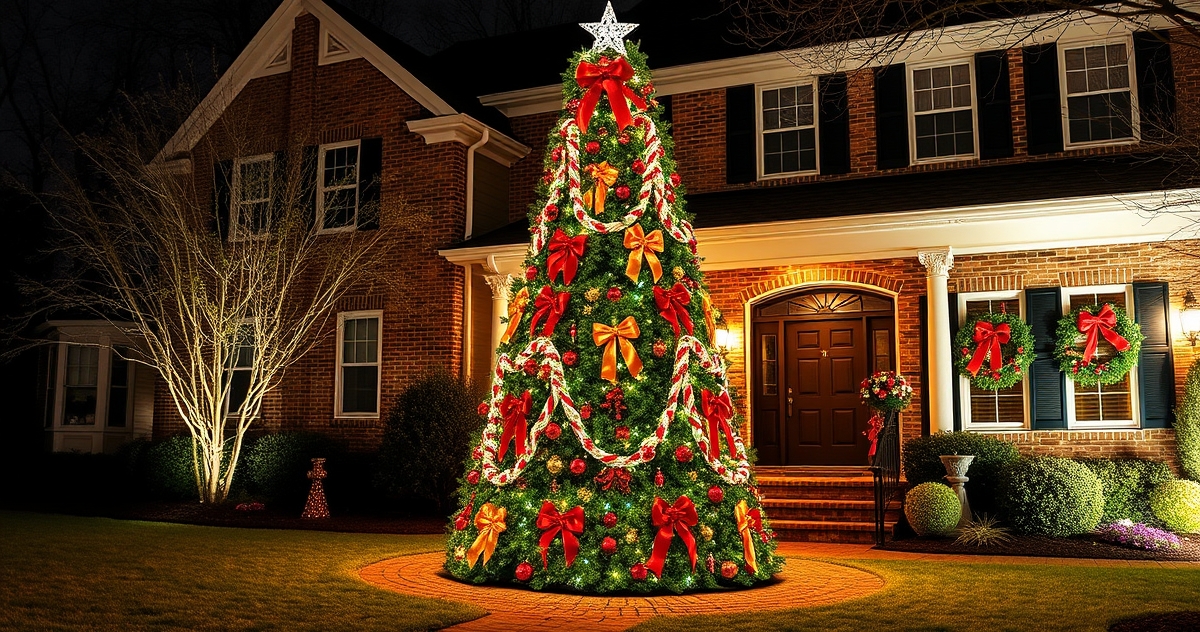
- Tree wrapping: A single ornamental tree near the front walk wrapped in alternating warm white and red mini lights creates a dramatic anchor for the landscape portion of a display.
- Roofline punctuation: On a longer roofline run of warm white C9s, placing a red C9 every sixth or eighth socket creates a subtle rhythm that prevents the display from reading as flat.
Red is also one of the few colors that photographs well in both daylight (during golden-hour dusk shots) and full night. If your home is going to be featured in a neighborhood tour or HOA display contest, red accents dramatically improve nighttime photography.
Comparing Color Palettes by Home Style: A Quick Reference
| Home Style | Primary Color Recommendation | Best Product | Accent Color |
|---|---|---|---|
| Brick Colonial / Federal | Warm White | C9 bulbs (roofline), mini lights (windows) | Red or gold |
| Cedar-Shake Cape Cod | Warm White | Mini lights | Green or red |
| Coastal Contemporary (DE Bay / Beach) | Cool White or Blue | C9 bulbs (roofline), mini lights (railing) | Cool white or silver |
| Victorian / Queen Anne | Multicolor | C9 strings | Warm white fill |
| Craftsman Bungalow | Warm multicolor or warm white | C9 bulbs (roofline), mini lights (trim) | Red or amber |
| Ranch / Split-Level | Warm White or Cool White | Mini lights | Single accent color |
| New Construction (vinyl / fiber cement) | Cool White | C9 bulbs or mini lights | Blue or red |
Planning Your Delaware Holiday Lighting Display from Start to Finish
Choosing the right colors is step one. Executing the installation safely, symmetrically, and without damaging your roofing, gutters, or siding is the work that makes the color choice matter. Our full guide on roofline lighting installation in Delaware covers clip types, ladder safety, and gutter-safe attachment methods for DIYers. If you'd prefer to hand the project off entirely, our residential holiday lighting services include a color consultation, custom-cut C9 and mini light strings, professional installation, and full removal and storage in January.
Timing Your Booking
Delaware's holiday lighting season runs from mid-November through New Year's Day, and crew schedules fill quickly—especially for larger Victorian and craftsman homes that require multi-day installations. We consistently recommend booking in late summer or early fall. Our August early-bird booking guide and our Labor Day booking post explain exactly what early scheduling locks in and how pricing works. If you're planning a commercial property display, our commercial holiday lighting services page covers multi-property and storefront packages.
Budget Considerations
Color choice does affect cost. Multicolor C9 string sets are typically priced similarly to single-color sets, but larger Victorian homes may require 400–600 feet of C9 string to cover all rooflines and trim details—which adds up. Warm white mini light packages for colonial window framing average 150–250 feet for a standard two-story home. Our holiday lighting budget planning guide breaks down material and installation costs by home size and style so you can set realistic expectations before your estimate appointment.
Frequently Asked Questions
What holiday light color works best for a brick colonial home in Delaware?
Warm white is the best holiday light color for brick colonial homes in Delaware. The 2700K–3000K color temperature of warm white C9 bulbs and mini lights enhances the red and orange undertones in brick, making the facade look rich and welcoming rather than washed out. Cool white or blue lights on brick can make the surface appear pallid or gray under artificial illumination. A standard warm white roofline C9 run at 12-inch spacing, combined with warm white mini lights on windows and porch columns, is the most effective and classic treatment for this home style.
Are cool white or blue lights appropriate for homes near the Delaware Bay?
Yes—cool white and blue holiday lights are specifically well-suited to coastal Delaware homes near the Delaware Bay, Lewes, Rehoboth Beach, and surrounding communities. These colors complement the gray-white and blue-gray siding palettes common to coastal construction, and they visually echo the winter water and sky. Cool white C9 bulbs at 5000K or above on a white or gray coastal home produce a clean, glowing effect that reads as intentional and elegant. Blue C9 bulbs or mini lights work best as accents—alternating with cool white on a roofline, or woven through porch railing garlands—rather than as the sole color across an entire display.
Can I mix light colors on a single display, or does that look messy?
Mixing light colors works beautifully when it follows a deliberate structure: one dominant color covering the largest surface area (typically the roofline), one secondary color for mid-level elements (window framing, porch columns), and one accent color for focal points (entry door, a feature tree). What creates a messy appearance is using three or more unrelated colors at equal visual weight across a display. The key rule is that 70–80% of your display should be the dominant color, with secondary and accent colors covering the remaining 20–30%. Multicolor C9 strings are the exception—they're designed to carry the full load of a display on architecturally complex homes like Victorians where the variety is part of the aesthetic.
What is the difference between C9 bulbs and mini lights for exterior holiday displays?
C9 bulbs are the large, faceted bulbs—roughly 1.5 inches in diameter—most often seen along rooflines and gutters. They produce high output per bulb and read clearly from the street, making them ideal for rooflines, gable ends, and large tree wraps. Mini lights are small (approximately 0.25-inch diameter), lower-output bulbs used for detailed work: window framing, porch railings, garland weaving, and foundation shrub wrapping. Most professional Delaware holiday lighting displays combine both: C9s for the structural outline of the home and mini lights for close-detail elements. The two product types work together because they serve different visual scales simultaneously.
How do I choose between warm white and cool white if I'm not sure which looks better on my home?
The fastest way to determine whether warm white or cool white suits your home is to identify your siding's dominant undertone. Hold a white sheet of paper next to your siding in daylight—if the siding looks yellowish, orange-ish, or tan by comparison, it has warm undertones and warm white lights will complement it. If the siding looks bluish, greenish, or gray by comparison, it has cool undertones and cool white lights are the better choice. For brick homes in Delaware, warm undertones are nearly universal, making warm white the safe default. For white, gray, or blue-gray coastal siding, cool white is almost always the correct call. When in doubt, request a sample run from your lighting installer before committing to a full product order.
Does Holiday Lights Decor Delaware handle color selection as part of the installation service?
Yes—color consultation is included as part of every residential and commercial installation estimate. Our crews assess your home's siding material, architectural style, roofline complexity, and surrounding landscape before recommending a color palette and product combination. We bring physical samples of C9 and mini light options in warm white, cool white, blue, red, and multicolor so you can see how each reads against your actual exterior before any product is ordered. To schedule a free estimate and color consultation, visit our contact page and request an appointment. Early bookings—particularly those made before October—receive the widest selection of installation dates and the most flexible scheduling options.
Choosing the right holiday light colors for your Delaware home's exterior is a decision that pays off every night from Thanksgiving through the New Year. Whether you're a warm white colonial in Wilmington, a cool-white coastal cottage in Lewes, or a multicolor Victorian in Dover, the right palette makes your home look like it was designed to be lit—not just decorated. Ready to get it right this season? Contact us for a free estimate and let our team build a display that works with your home's architecture, your neighborhood, and your personal style.